
The first weeks after birth ask a great deal of a mother’s body. Whether she is recovering from a vaginal delivery or a caesarean birth, feeding a newborn through the night, managing soreness, or learning to breastfeed, regular nourishment can easily become an afterthought. Dietician designed confinement meals make food one less thing for a new mother and her family to worry about, while giving recovery the steady support it deserves.
A meaningful confinement meal plan is not simply about serving warm soup three times a day. It considers healing, energy, digestion, hydration, cultural preferences and the practical reality that every mother’s recovery is different. At a time when rest matters, carefully prepared meals bring both physical comfort and reassuring structure to the day.
Why postnatal nutrition needs more than good intentions
After delivery, the body is repairing tissue, adjusting to significant hormonal changes and, for many mothers, producing breast milk. Appetite can vary considerably. Some mothers feel hungry often, while others experience bloating, constipation, nausea or a reduced appetite in the early days. A meal plan that is too restrictive may leave a mother tired and undernourished; one that ignores her individual needs may be difficult to enjoy or sustain.
This is where professional planning matters. A dietician considers the balance of protein, carbohydrates, healthy fats, fibre, vitamins and minerals needed to support recovery. The aim is not a rapid return to pre-pregnancy weight. The priority is helping a mother rebuild strength, maintain energy and feel well cared for while her body does the demanding work of healing.
Warm, freshly prepared dishes are often a welcome part of Chinese confinement traditions, particularly when they are thoughtfully balanced rather than treated as a one-size-fits-all rule. Familiar ingredients and comforting flavours can make meals feel like care from home. Yet traditional principles work best when combined with current nutritional understanding and close attention to a mother’s medical history, delivery experience and feeding journey.
What dietician designed confinement meals consider
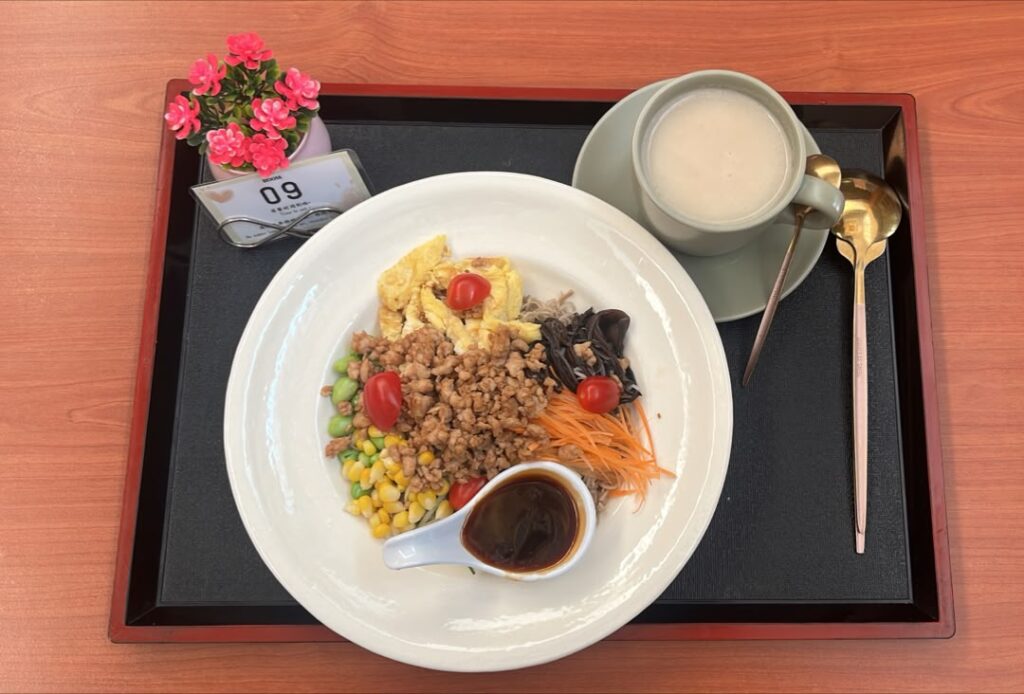
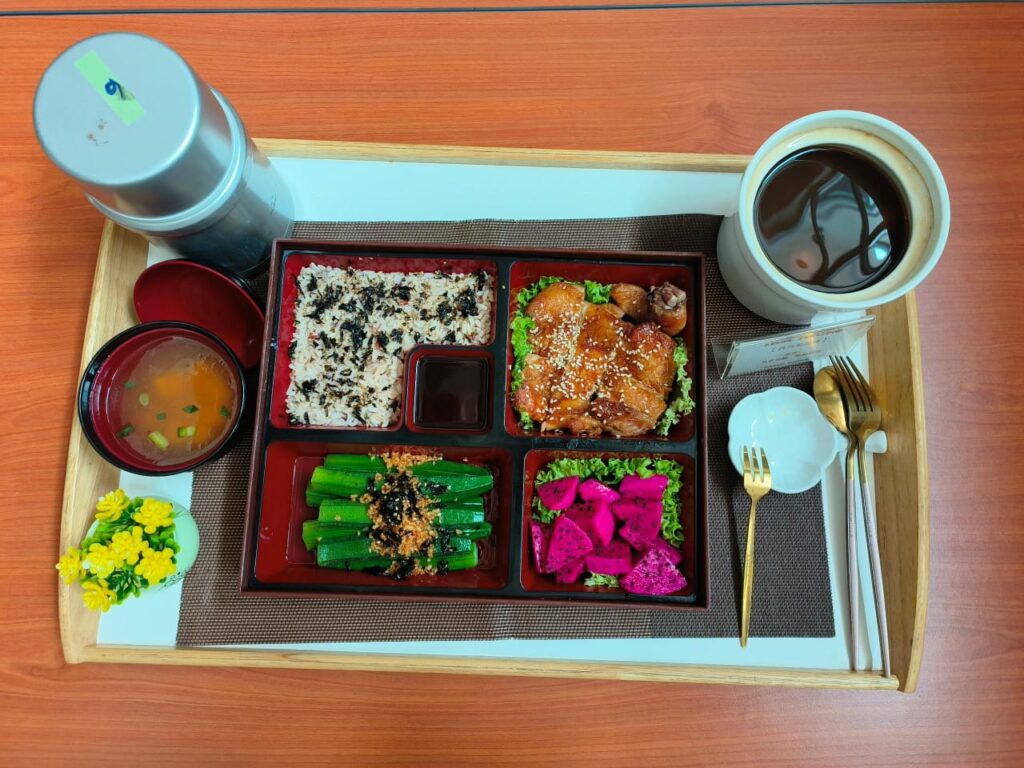
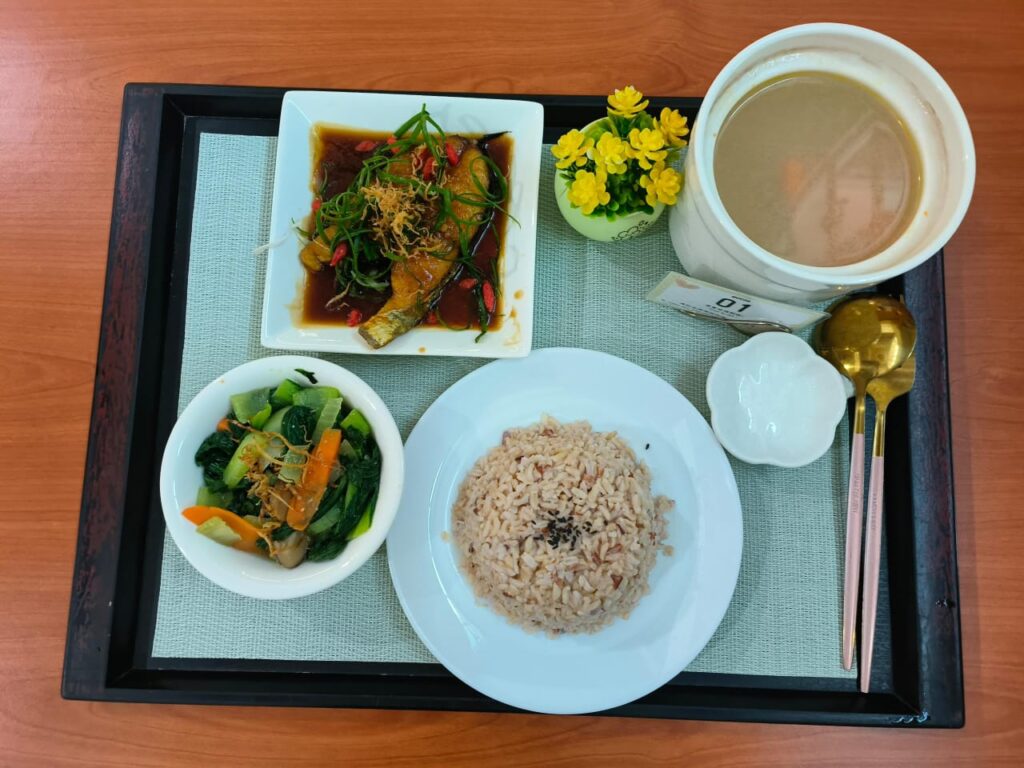
The value of dietician designed confinement meals lies in the details behind each menu. A professional meal plan is shaped around the mother, not just the calendar of a 28-day stay.
Protein for repair and strength
Protein supports tissue repair after birth and can help mothers feel satisfied between meals. Fish, chicken, eggs, tofu, legumes and lean meat may all have a place, depending on dietary needs and preferences. For a mother recovering from a caesarean section, adequate protein is particularly relevant as her surgical wound heals.
Protein is most helpful when it appears consistently across the day, rather than in one heavy meal. Gentle, well-cooked dishes can be easier to manage when appetite is low, and a professional chef can prepare them in ways that remain appealing without relying on excessive oil or salt.
Iron, calcium and other essential nutrients
Blood loss during delivery can leave some mothers with low iron levels, especially if they entered birth with iron deficiency. Iron-rich foods, paired appropriately within the overall menu, can support recovery alongside any supplements advised by a doctor. Mothers should continue to follow their healthcare provider’s guidance, particularly where blood tests, prescribed iron or other medical treatment are involved.
Calcium, vitamin D, iodine and other nutrients also deserve attention, especially for breastfeeding mothers. However, there is no universal plate that suits every woman. Food allergies, gestational diabetes, high blood pressure, thyroid conditions, vegetarian diets and postpartum medical concerns all change what may be appropriate.
Fibre, fluids and digestive comfort
Constipation is common after childbirth, particularly following pain relief, reduced movement, dehydration or a caesarean delivery. Warm soups, cooked vegetables, fruits, whole grains and sufficient fluids can support regular digestion. The right approach depends on the mother: someone with a sensitive stomach may need gentler choices at first, while another may benefit from more fibre and movement as she becomes comfortable.
Hydration is equally important. Mothers who are breastfeeding often feel especially thirsty, but every new mother benefits from having nourishing drinks and water readily available. A thoughtful confinement programme makes this easier by serving regular meals, soups and suitable beverages without requiring a mother to plan, cook or clean up.
Tradition and professional care can sit side by side
Many families value confinement food because it carries the memory of maternal care across generations. Ginger, sesame oil, herbs, warming soups and slow-cooked dishes can be deeply comforting. These traditions deserve respect, particularly when they help a mother feel supported by her family and culture.
At the same time, not every traditional food or herbal preparation is right for every recovery. Certain ingredients may not suit a mother with a medical condition, medication requirements or breastfeeding concerns. It is sensible to share all supplements, herbs and dietary practices with the professionals caring for mother and baby. This allows Chinese physician consultations, nursing care and dietary planning to work together rather than in separate directions.
The best confinement menus do not force mothers to choose between tradition and evidence-informed care. They adapt. A mother who dislikes a particular dish should not have to eat it simply because it is customary. A mother with a specific health need should not be expected to follow a generic menu. Personal care means listening first.
How tailored meals ease the pressure at home
The challenge of postnatal food is rarely just nutrition. It is the timing. A newborn’s feeding and sleeping patterns do not follow a kitchen schedule, and partners are often balancing work, household tasks, visitors and their own adjustment to parenthood. Even a well-intentioned family can find it difficult to provide several suitable meals every day while protecting the mother’s rest.
A residential confinement setting removes that daily workload. At Bibi Home Postnatal Care, meals are part of a wider recovery plan that includes registered nursing support, maternal assessments, breastfeeding guidance and newborn monitoring. This joined-up approach helps staff notice when a mother’s appetite, comfort or recovery needs may require additional attention.
For first-time parents, this can be especially reassuring. They are not left searching for recipes at midnight or wondering whether fatigue is simply part of the adjustment. Experienced parents also benefit from the chance to rest, knowing that nourishing meals and practical care are already organised.
Questions worth asking about a confinement meal programme
Before choosing postnatal care, families should ask who plans the menu and how dietary needs are managed. It is helpful to understand whether meals can be adjusted for allergies, food preferences, vegetarian requirements, medical advice or recovery after a caesarean birth. Families may also want to ask how the programme handles breastfeeding-related appetite changes, hydration and herbal support.
Food safety matters too. Fresh preparation, hygienic handling and reliable meal timing are not minor details when a mother is recovering and a newborn is nearby. A licensed, professionally managed environment offers an added layer of confidence, particularly for families who want both homely comfort and clear care standards.
It is also worth considering the emotional side of meals. A warm dish delivered at the right time can give a mother a pause in a day that otherwise feels full of feeds, naps and new questions. Eating well is not a performance or a postpartum target. It is a practical act of care that helps make room for healing.
A mother does not need to manage recovery perfectly to recover well. She needs rest, attentive support and nourishing food that meets her where she is. When meals are planned with professional knowledge and prepared with warmth, each one becomes a quiet reminder that her wellbeing matters too.
Pingback: How to Relieve Engorgement Safely After Birth - BIBI HOME POSTNATAL CARE