
The first weeks after birth can feel surprisingly demanding, even when everything has gone to plan. Your body is healing, feeding patterns are taking shape, sleep is interrupted, and every well-meant piece of advice can seem to say something different. Customised postpartum herbal support offers a more considered approach: one that respects traditional confinement practices while starting with your own recovery, health history and feeding needs.
At Bibi Home Postnatal Care, herbal support is treated as part of a wider recovery plan, not as a one-size-fits-all remedy. Alongside rest, nourishing meals, professional nursing support and guidance for baby care, it can help make the confinement period feel more supported, organised and personal.
Why postpartum herbal care should be personal
Chinese confinement traditions have long used herbs, warming foods and carefully prepared tonics to support mothers after childbirth. Yet two mothers can have very different needs. One may be recovering from a caesarean birth and managing post-operative discomfort. Another may have had a vaginal delivery but be feeling depleted after a long labour. A mother who is breastfeeding may have different considerations from one who is combination feeding or formula feeding.
This is why a standard herbal package is not always the most appropriate choice. The right support depends on factors such as your delivery experience, current symptoms, appetite, energy, bowel habits, sleep, medical history and medicines. It also needs to take account of whether you have allergies, high blood pressure, diabetes, thyroid concerns or other conditions requiring particular care.
Personalisation does not mean trying to solve every discomfort with herbs. It means choosing traditional support thoughtfully, with professional input and clear attention to safety. When a mother needs medical assessment, medication or specialist care, those needs must always come first.
What customised postpartum herbal support may include
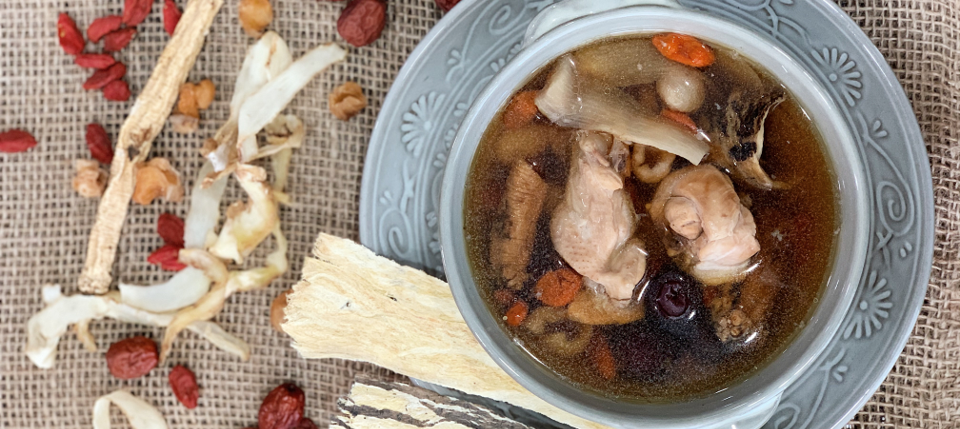
Herbal care during confinement is often most helpful when it sits naturally within the rhythm of the day. Rather than adding another task to an already full schedule, support may be incorporated into meals, warm drinks, baths or therapeutic body care, according to individual suitability.
Herbal soups and warming drinks
Carefully prepared soups and beverages are a familiar part of Chinese postpartum care. Depending on a mother’s assessment and dietary needs, these may be selected to complement a warming, nourishing meal plan. The focus is not simply on following a traditional recipe, but on serving preparations that are suitable for her stage of recovery and practical for her appetite.
For some mothers, lighter and gentler options may be preferable in the days immediately after delivery. Others may be ready for richer, more restorative dishes later in their stay. A dietician and professional chef can help ensure that the wider menu remains balanced, enjoyable and aligned with any dietary restrictions.
External herbal therapies
Traditional external practices, such as herbal baths or washes, may be considered as part of a comfort-focused confinement routine. These are often valued for the sense of warmth, relaxation and ritual they bring during a time when a mother may feel physically unfamiliar with her body.
However, timing matters. Mothers with surgical wounds, skin sensitivities, infections or specific recovery concerns should not assume that every external therapy is suitable. A proper assessment helps determine what is appropriate and when it can be introduced.
Support shaped around recovery milestones
Postpartum needs can change quickly. What feels comforting in the first few days may not be what you need during the third week, when energy, feeding confidence and mobility may be different. A customised plan should be reviewed as your recovery progresses, rather than fixed on the day you arrive.
This ongoing attention is particularly valuable after a caesarean birth. Recovery can involve wound care, movement guidance, pain management and close observation alongside the usual demands of caring for a newborn. Traditional herbal support may have a place in a mother’s comfort and nourishment plan, but it should never distract from clinical advice or post-operative care.
A Chinese physician consultation brings clarity
Traditional knowledge is most reassuring when it is guided by an experienced practitioner who understands the mother in front of them. A Chinese physician consultation provides an opportunity to discuss your pregnancy, delivery, current wellbeing and any concerns you may have about confinement practices.
The consultation can help avoid a common problem: taking several herbal products recommended by relatives, friends or social media without knowing whether they are appropriate together. Natural does not automatically mean suitable for everyone. Herbs can affect people differently and may not be advisable alongside certain medicines or health conditions.
Be open during your consultation. Share details of prescribed medicines, supplements, allergies, your breastfeeding plans and any symptoms that worry you. If you are experiencing heavy bleeding, fever, severe pain, shortness of breath, a severe headache, chest pain, worsening low mood or thoughts of harming yourself or your baby, seek urgent medical attention. Herbal care is supportive, not a substitute for prompt medical treatment.

Herbal support and breastfeeding: a careful balance
Many new mothers understandably ask whether herbs will affect milk supply or their baby. The honest answer is that it depends on the herb, amount used, your personal health and your baby’s response. This is why personalised guidance is far safer than following broad advice online.
Breastfeeding is also influenced by frequent effective feeding or expressing, positioning and attachment, maternal hydration, adequate food intake, rest and timely help with any difficulties. Herbs should not be presented as a guaranteed answer to supply concerns. If feeding is painful, your baby is unusually sleepy at feeds, nappies are not as wet as expected, or weight gain is a concern, breastfeeding support and newborn assessment are essential.
In a residential setting, mothers benefit from having help nearby. Registered nurses can monitor maternal and newborn wellbeing, while trained staff provide practical breastfeeding guidance without making a mother feel judged. This allows traditional support to remain in its proper place: one caring part of a wider, evidence-aware recovery experience.
The value of a complete confinement environment
A mother’s recovery is not defined by one soup, one treatment or one uninterrupted night of sleep. It is shaped by the combined effect of good food, safe rest, attentive observation and the confidence that someone capable is available when needed.
A professionally managed confinement stay removes many of the practical burdens that make recovery harder at home. Meals are prepared, baby care guidance is close at hand, and both mother and newborn can be monitored in a hygienic, secure environment. This can be especially meaningful for first-time parents, families without nearby support, and mothers returning to Malaysia from overseas for birth and confinement.
The setting matters too. A calm, homely room gives a mother space to rest, while family access and parenting education help partners feel included rather than uncertain observers. The aim is not to separate a family from their new reality. It is to give them skilled support while they learn to manage it together.
Questions to ask before choosing herbal postpartum care
Before committing to any confinement programme, ask who assesses herbal suitability and whether a Chinese physician is involved. Find out how the team responds if you are breastfeeding, taking prescribed medication or recovering from a caesarean birth. It is also reasonable to ask how maternal concerns are escalated, whether registered nurses are available around the clock, and how newborn health concerns are monitored.
Look for a provider that is clear about the limits of traditional care as well as its benefits. Safe support should feel reassuring, never pressurising. You should be able to ask questions, decline a treatment that does not feel right for you, and receive practical explanations without being made to feel that you are failing at confinement.
The most meaningful postpartum care gives you room to recover in your own way, with experienced people close by. When herbal traditions are tailored thoughtfully and combined with rest, nourishment, clinical awareness and family support, they can become a gentle part of settling into motherhood with greater confidence.