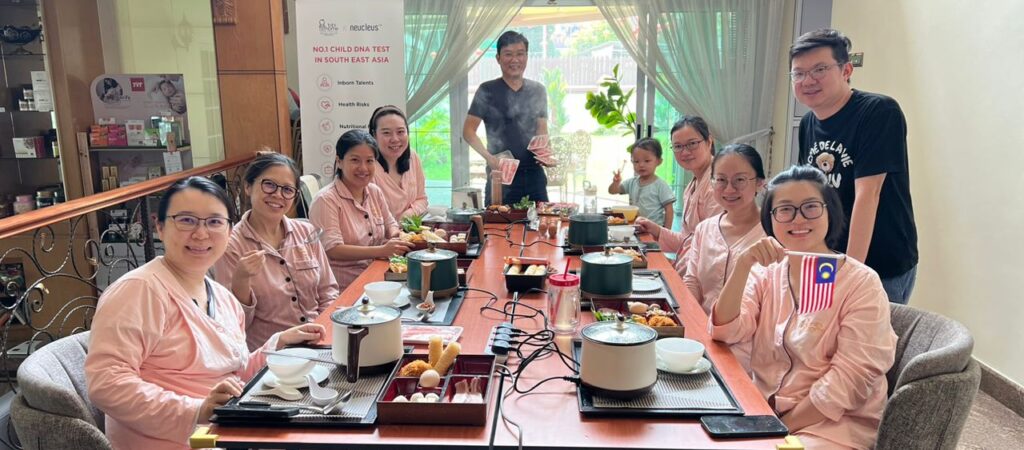
The first weeks with a newborn are often full of tender moments, interrupted sleep and a constant stream of small decisions. Family friendly confinement gives a mother protected time to recover while allowing her partner and close family to remain part of the baby’s earliest days. It is care designed around a simple truth: a mother should not have to choose between proper rest and feeling connected to the people she loves.
For many families in Klang and Greater Kuala Lumpur, the question is no longer whether postnatal support would help. It is how to find support that is safe, attentive and practical without making the family feel separated or overwhelmed. A well-run residential confinement stay can provide that balance, combining professional maternal and newborn care with the warmth of a home-like setting.
What family friendly confinement should feel like
Family-friendly care is not simply about permitting visitors. It means creating a calm, well-organised environment where a recovering mother can rest, a newborn is carefully monitored and a partner can learn with confidence. The family remains involved, but the pressure of preparing every meal, settling every cry and worrying over every feeding is not placed on them alone.
This matters particularly after a difficult delivery or caesarean birth. Recovery asks a great deal of the body, while the demands of feeding and newborn care begin immediately. When trained staff are available around the clock, a mother can receive support with mobility, wound-care awareness, breastfeeding positions and emotional wellbeing. Her partner can be present as a loving parent rather than becoming exhausted by trying to manage every practical task without guidance.
The best arrangements also recognise that every household is different. Some mothers want their partner close by throughout the stay. Others value quiet time to sleep while grandparents visit at suitable times. A supportive confinement centre respects those preferences while maintaining routines that protect mother and baby.
Why professional support benefits the whole family
New parents are often told to trust their instincts, and that advice has value. Yet instincts grow stronger when they are supported by clear information and reassuring help. The early days can bring questions about latching, burping, bathing, nappy changes, jaundice, milk supply and safe sleep. Having an experienced nurse or confinement specialist nearby can turn a worrying moment into a learning opportunity.
For mothers, professional observation is equally valuable. Postnatal recovery is not only about eating nourishing food and getting more sleep, although both are essential. It also includes monitoring physical healing, recognising signs that require medical attention and checking in on emotional wellbeing. A mother who feels listened to is more likely to speak up when pain, fatigue or low mood becomes difficult.
For babies, consistent monitoring provides another layer of reassurance. Newborn feeding patterns, weight progress and jaundice require careful attention in the early weeks. Families should look for a setting with established hygiene procedures, trained personnel and a clear process for escalating concerns. Comfort is important, but safety must always come first.
Learning together without the pressure
A family friendly confinement stay should help parents leave feeling more capable, not more dependent. Hands-on guidance with feeding, bathing and settling helps turn unfamiliar tasks into familiar routines. Partners benefit from this teaching just as much as mothers do. When both parents understand the baby’s cues and basic care needs, the transition home can feel far less daunting.
This is especially meaningful for first-time parents, but experienced parents benefit too. Every baby has a different temperament, feeding rhythm and sleep pattern. Parents with older children may also value having a dependable place to recover, knowing that their newborn is receiving attentive care while the wider family adjusts.
Rest is not a luxury after childbirth
There is a tendency to treat rest as something a new mother earns after everything else is done. In reality, rest is part of recovery. It supports physical healing, helps a mother cope with the emotional changes of early parenthood and gives her more energy for feeding and bonding.
A residential confinement programme removes much of the work that makes rest difficult at home. Nutritious meals can be prepared to suit postnatal needs, laundry and daily practicalities can be managed, and newborn support can be available when a mother needs to shower, eat slowly or sleep between feeds. Traditional Chinese confinement practices, including suitable herbal support and therapeutic meals, can sit alongside modern nursing care when they are tailored thoughtfully to the mother’s condition and preferences.
There is no single recovery plan that suits everyone. Some mothers may welcome massage, gentle yoga or sound healing as part of their wellbeing routine. Others may prefer a quieter schedule centred on sleep, feeding support and meals. Personalised care matters because recovery is physical, emotional and deeply individual.
Keeping family visits safe and meaningful
Family involvement can be a great source of comfort, but newborns are vulnerable to infection and mothers need protection from fatigue. This is where thoughtful boundaries make a real difference. Visitor screening, sensible visiting arrangements and good hygiene practices allow loved ones to share in the joy without placing the baby or mother at unnecessary risk.
It can feel difficult to limit visits, particularly in close-knit families. However, a short, calm visit is often more positive than a long gathering that leaves a mother overtired and a baby overstimulated. Families can use this time to focus on what is genuinely helpful: bringing encouragement, listening to the mother and respecting the care routine.
A secure bungalow-style environment can offer a more personal atmosphere than a busy medical ward, while still providing the reassurance of non-intrusive security and professional oversight. The goal is not to isolate a new family. It is to give them space to settle into their new relationship with confidence.
Choosing a family friendly confinement centre
When comparing confinement options, it helps to look beyond attractive rooms and meal photographs. Ask who is responsible for maternal and newborn care at all hours, how hygiene and visitor safety are managed, and what support is available if concerns arise. A licensed operation, registered nurses and clear care standards are meaningful indicators of accountability.
It is also worth asking how the centre includes partners. Can they stay comfortably? Are they encouraged to join baby-care education and breastfeeding guidance? Will staff explain what they are doing and why? A good programme does not treat a father or partner as a guest on the sidelines. It recognises that informed, supported partners strengthen a mother’s recovery.
Room choice may matter more than families initially expect. A comfortable, private space supports sleep, feeding and bonding, particularly during a 28-day stay. The right option depends on budget, the number of family members staying and how much room the mother needs to feel at ease. What matters most is that the accommodation supports care rather than distracting from it.
At Bibi Home Postnatal Care, this family-centred approach is supported by a licensed residential setting, 24-hour nursing assistance, newborn monitoring and practical education for parents. The intention is to offer mothers time to recover in comfort while helping the whole family feel prepared for life after confinement.
Preparing for a more peaceful stay
Before admission, families can make the experience easier by discussing expectations openly. Decide who will visit, how the partner hopes to be involved and which aspects of traditional confinement feel most important. Share relevant medical information, delivery details and feeding hopes with the care team so that support can begin from an informed place.
It is also helpful to leave room for change. A mother may feel very differently after birth than she expected during pregnancy. She may need more sleep, more feeding help or more quiet time. A family that treats the plan as flexible, rather than fixed, gives her permission to ask for what she needs.
The most reassuring start is not one where every detail is perfect. It is one where a mother is cared for, a baby is safe and a family has the time and guidance to grow into its new rhythm together.